

What are the differences between a Femboy and a Sissy?

The terms femboy and sissy are often used in the same breath, but they mean very different things to the people who choose them. This article gently unpacks where each term comes from, what they usually describe today, and why understanding the difference matters. Whether you’re exploring your own identity or just curious, this guide is here to clear the fog!
In this article, we’ll cover:
- What “femboy” means and how it’s commonly used
- What “sissy” means and its historical and kink-based roots
- The key differences between the two terms
- Whether someone can identify with both
First Things First
Both femboy and sissy describe forms of feminine expression, often by people who were assigned male at birth. But that’s where the overlap mostly ends. Each word carries its own history, tone, and emotional weight. They’re not just labels pulled from a dictionary — they’re lived experiences, shaped by culture, community, and personal meaning.

What is a femboy?
A femboy is typically someone (often a cis man, but not always) who enjoys presenting in a feminine way while still identifying as male or masculine-aligned.
That might look like:
- Soft, cute, or androgynous fashion
- Skirts, thigh-highs, crop tops, makeup — or simply a feminine vibe
- Blending a masculine identity with feminine aesthetics
For many, being a femboy is about self-expression, not sexuality. It’s the joy of wearing what feels right, of catching your reflection and thinking, yeah… that’s me. It can be playful, stylish, cosy, bold — whatever fits your mood.
Generally speaking, the term femboy is:
- An identity or self-description
- Focused on presentation and gender expression
- Not inherently sexual (though it can be for some)
- Closely tied to online, youth, and aesthetic culture
In short, a femboy identity is about feminine style paired with a male identity and personal expression.
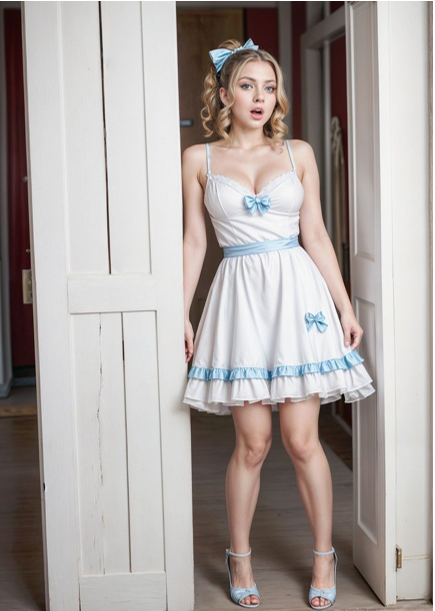
What is a sissy?
The word sissy comes with a much heavier past. Historically, it was used as an insult to shame boys and men for being “too feminine.” Over time, some people — especially within kink and fetish communities — have reclaimed the word and turned it into something chosen rather than imposed.
Today, when someone calls themselves a sissy, they often mean:
- They embrace exaggerated or hyper-femininity
- It may be linked to submissive roles or power dynamics
- It’s commonly connected to fantasy, roleplay, or erotic identity
- It’s a label used intentionally, not casually
For many, being a sissy isn’t just about how they feel — it’s also about how they present within that role. Clothing can be a big part of the experience, often leaning into classic, over-the-top feminine styles such as:
- Maid outfits or uniforms
- Frilly dresses and skirts
- Feminine lingerie like lace or frilled panties
- Stockings, bows, and other “girly” accessories
These outfits aren’t about everyday fashion for most people who use the term. They’re about stepping into a fantasy, a mindset, and sometimes the thrill of embodying a role that feels playful, submissive, or empowering in its own way.
In general, the term sissy is:
- Often rooted in kink and adult spaces
- More about role and inner feeling than daily presentation
- Frequently sexual in context
- Not a label everyone who dresses femininely is comfortable with
In short, a sissy identity is usually role-based, reclaimed, and tied to fantasy or kink — with clothing used as a tool to help bring that role to life.
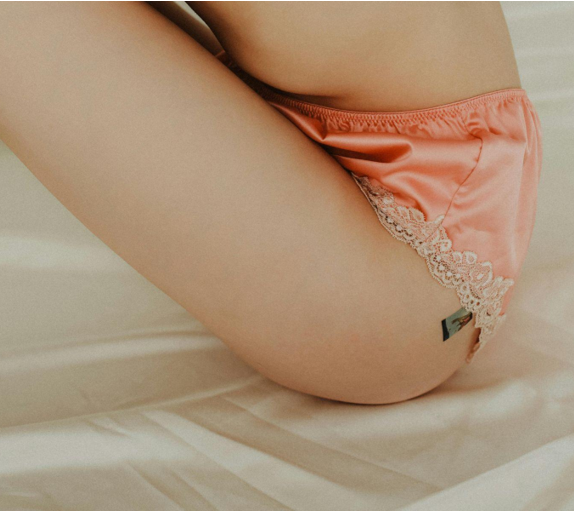
So… what’s the difference?
While both terms relate to femininity, they usually point to very different experiences.
A femboy identity is most often about how someone presents themselves. It’s rooted in fashion, aesthetics, and self-expression. Many femboys simply enjoy looking cute or feminine in everyday life, without it being about sex or roleplay at all. A sissy identity, on the other hand, is usually about stepping into a role. The focus is less on daily presentation and more on mindset, fantasy, and often submissive or erotic dynamics. It tends to live in adult or private spaces rather than public identity. Different paths, same desire to explore femininity.
Can someone be both?
Sometimes, yes — because humans don’t come in neat little boxes.
Some people might enjoy:
- A femboy aesthetic in everyday life
- And sissy roleplay in private
Others feel strongly connected to just one. And many people who love dressing feminine don’t identify with either term at all. They may call themselves crossdressers, gender-nonconforming, nonbinary, trans, or simply… themselves. Labels can be helpful signposts, but they’re not rules carved in stone.
Do you see yourself in one of these terms, or do you prefer a different label altogether? What does feeling feminine mean to you personally? We’d love to know what you think! Email us at[email protected] or message us on our Facebook page. And be sure to check out more great tips and articles on our blog!